


Gasoline in the Dominican Republic: prices, how to refuel, and what to watch for
I fill up once a week, sometimes twice when the family comes to visit and we do the Bavaro to Santo Domingo run. Over the years I have learned a few things about gas prices in the Dominican Republic and about the small habits at the pump that separate a smooth stop from a confusing one. None of it is complicated. But the first time you pull into a station here, the setup is different enough from home that a little preparation helps. So here is what I tell friends who rent a car and ask me, before they even leave the airport, "how does gas work down there?"
Why gas prices in the Dominican Republic move every week
The first thing to understand is that the country does not pump or refine its own oil. Everything arrives by ship, refined and ready. That means the price you pay at the pump depends on international markets, on shipping, and on how the peso is doing against the dollar. On top of that, the government sets fuel prices weekly. Every week there is an official announcement with the new numbers for each grade, and stations update their signs the same day. Sometimes the price stays flat for a month; sometimes it moves several weeks in a row. I am deliberately not giving you a figure here, because whatever I write today will be wrong by the time you read it. Look at the pump, or at the big sign by the road, and that is the price. Comparing it to what you pay back home in the US is a waste of mental energy, since the two markets have nothing in common. Just budget for fuel as one of the trip costs and move on.
Gallons, pesos, and the grade your rental needs
Fuel is sold by the gallon, not the liter. If you are coming from Europe, Canada, or most of Latin America, this trips people up on the first fill. A US gallon is roughly 3.785 liters, so when the pump says you took 8 gallons, that is about 30 liters. Prices are posted in Dominican pesos per gallon, and the pump shows pesos as well. Grades are simple: Regular and Premium gasoline (both called "Gasolina" on the sign), and diesel ("Gasoil"). Most rental cars in Punta Cana are small sedans or SUVs that run on Regular, but check the sticker inside the fuel door or the paper the rental agency gave you. Use the grade the company recommends for that specific car and do not improvise. Putting Gasoil in a gasoline car is the kind of mistake that ends a vacation, and the attendant will not stop you if you say the wrong word confidently. Say "Regular" or "Premium" clearly, and if you have a diesel, say "Gasoil".
How to refuel a rental car in the Dominican Republic: it is full service
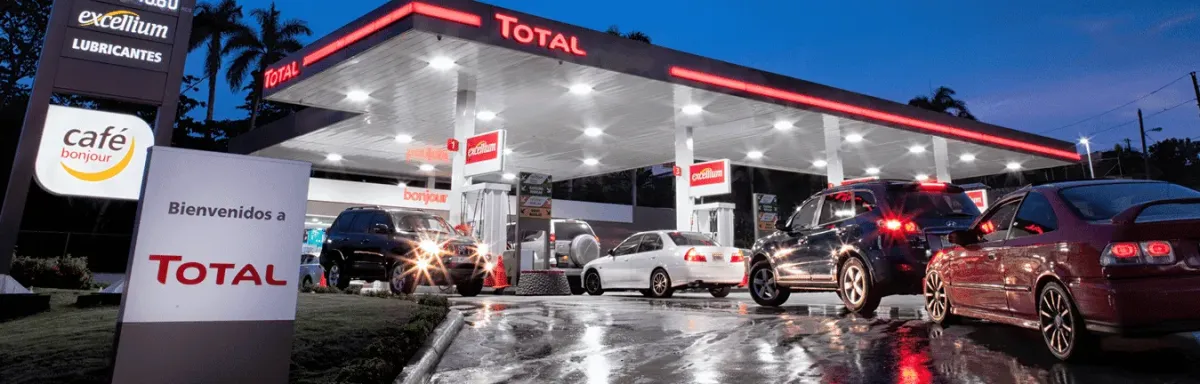
There is no self-service here. You pull up, stay in the car or step out, and an attendant does everything. Tell them the grade and either an amount ("lleno" means full, or you can name a peso figure) and they handle the nozzle. This is normal and you do not need to tip, though people do round up a bit if the attendant washes the windshield, which they often offer to do. They may also ask if you want the oil, coolant, or tire pressure checked. For a rental, I usually say no thank you. Rental cars are serviced on a schedule by the agency, and the last thing you want is somebody topping off a fluid that did not need topping off. If a warning light is on, that is a different story: call the rental company first, then decide. One more thing about the process: it is slower than a self-service pump. Give yourself an extra five minutes, especially on Friday afternoons when everybody is filling up for the weekend.
Paying at the pump and what to watch for
Every station I use around Punta Cana has card terminals at the pump, and many take contactless now. Cards work fine. That said, paying cash in pesos is often the better deal, because some stations quietly add a small fee for cards and because your bank at home may charge a foreign transaction fee on top. I keep a few thousand pesos in the glovebox for exactly this. A couple of habits worth keeping:
- Watch the pump reset to zero before the attendant starts. This is the single most useful thing to check. Ninety-nine times out of a hundred it is fine, but it takes one glance.
- Ask for the receipt ("el recibo" or "la factura") and look at it. The nationwide 18% VAT is included in the posted price, so the total on the receipt should match the pump display, not exceed it.
- If you pay by card, keep the card in your sight. Attendants bring the terminal to your window, so there is no reason for it to leave.
- Do not accept the "fuel additive" or "engine cleaner" upsell. Your rental does not need it.
None of this is because Dominican stations are shady. Most are honest, family-run, and the attendants are friendly. It is just that a tourist in a rental is an easy mark for the rare one that is not, and a little attention removes the risk entirely.
Where to find stations around Punta Cana and when to fill up
A decade ago this was a real problem. Today the Punta Cana and Bavaro area has a fair number of stations along the main boulevard, on the road to the airport, and out toward Veron and Macao. Where it gets thinner is once you leave the tourist strip and head toward Miches, Higuey, or the interior. Not every station runs 24 hours. Some close around 10 or 11 at night, and in smaller towns they may open late on Sunday morning. My rule is simple: if you plan an early start, fill up the night before. Sunrise drives to Bahia de las Aguilas or Samana are among the best things you can do with a rental here, and you do not want to spend the first hour of it hunting for an open pump. Keep the tank above a quarter on any road trip. It also helps to know the toll roads in advance, since the tollbooths on the Autopista del Coral want cash in pesos too, and the same stash that pays for fuel will get you through.
A few practical extras before you drive off
Most rental agreements here follow a "return it with the same level" policy rather than full-to-full, so take a photo of the fuel gauge and the odometer at pickup. That photo settles any discussion at return. If the agency does say full-to-full, there are stations close enough to the airport that you can top up on the way back without stress. The rental price itself shows when you pick your dates, and fuel is separate, so plan for both. Before your first drive, skim the traffic rules, mostly for the roundabout etiquette and the motorbike situation, which surprises everyone. Then when you are ready to rent a car in Punta Cana, ask which grade of gasoline the car takes and write it down. Ten seconds at pickup, and every stop at the pump after that is just a quick, friendly exchange with an attendant, a glance at the display, a receipt in the door pocket, and back on the road.